
By Kate, Accredited Practising Dietitian
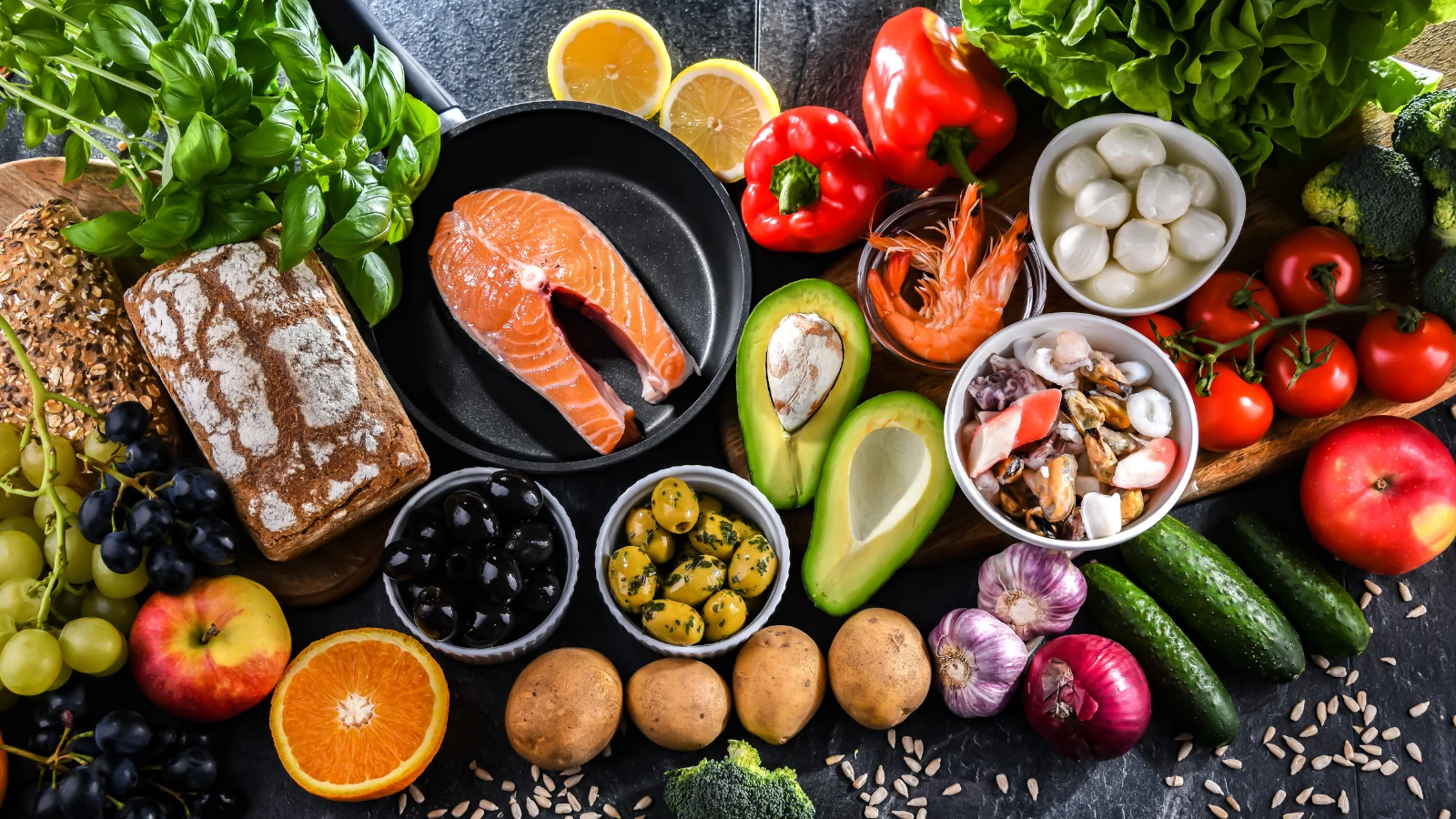
If there's one dietary pattern with strong evidence behind it for fertility, it's the Mediterranean diet. It's the approach I recommend to all of my patients who are trying to conceive, whether naturally, through IVF, or with unexplained infertility. Here's why, and how to make it work in an Australian context.
The Mediterranean dietary pattern is characterised by:
A randomised controlled trial has demonstrated that greater adherence to the Mediterranean dietary pattern is associated with significantly increased rates of implantation, clinical pregnancy, and live birth in women undergoing assisted reproductive treatment.
For men, increased adherence to the Mediterranean diet is associated with high sperm quality parameters, including total sperm count and motility. This makes it one of the few dietary patterns with strong evidence for both male and female fertility.
I recommend this dietary pattern for all men and women trying to conceive, and particularly for those with unexplained infertility.
The benefits of the Mediterranean diet on fertility appear to be multifactorial. The key mechanisms include:
The traditional Mediterranean dietary pattern includes a moderate intake of red wine, mainly as a cultural inclusion. However, the fertility benefits of this eating pattern persist without the alcohol component.
For both partners trying to conceive, limiting or eliminating alcohol is recommended to optimise egg and sperm health. This is particularly important:
The good news is that you get all the benefits of this dietary pattern through the food components alone. You do not need to include wine to follow an effective Mediterranean-style fertility diet.
Fertility nutrition is a specialised area that requires individualised guidance. The Mediterranean diet is an excellent foundation, but your specific needs, including supplements, quantities, and timing, should be tailored to your health history and fertility goals.
Telehealth consultations across Queensland, no referral required.
Book a Virtual Consultation