
By Kate, Accredited Practising Dietitian
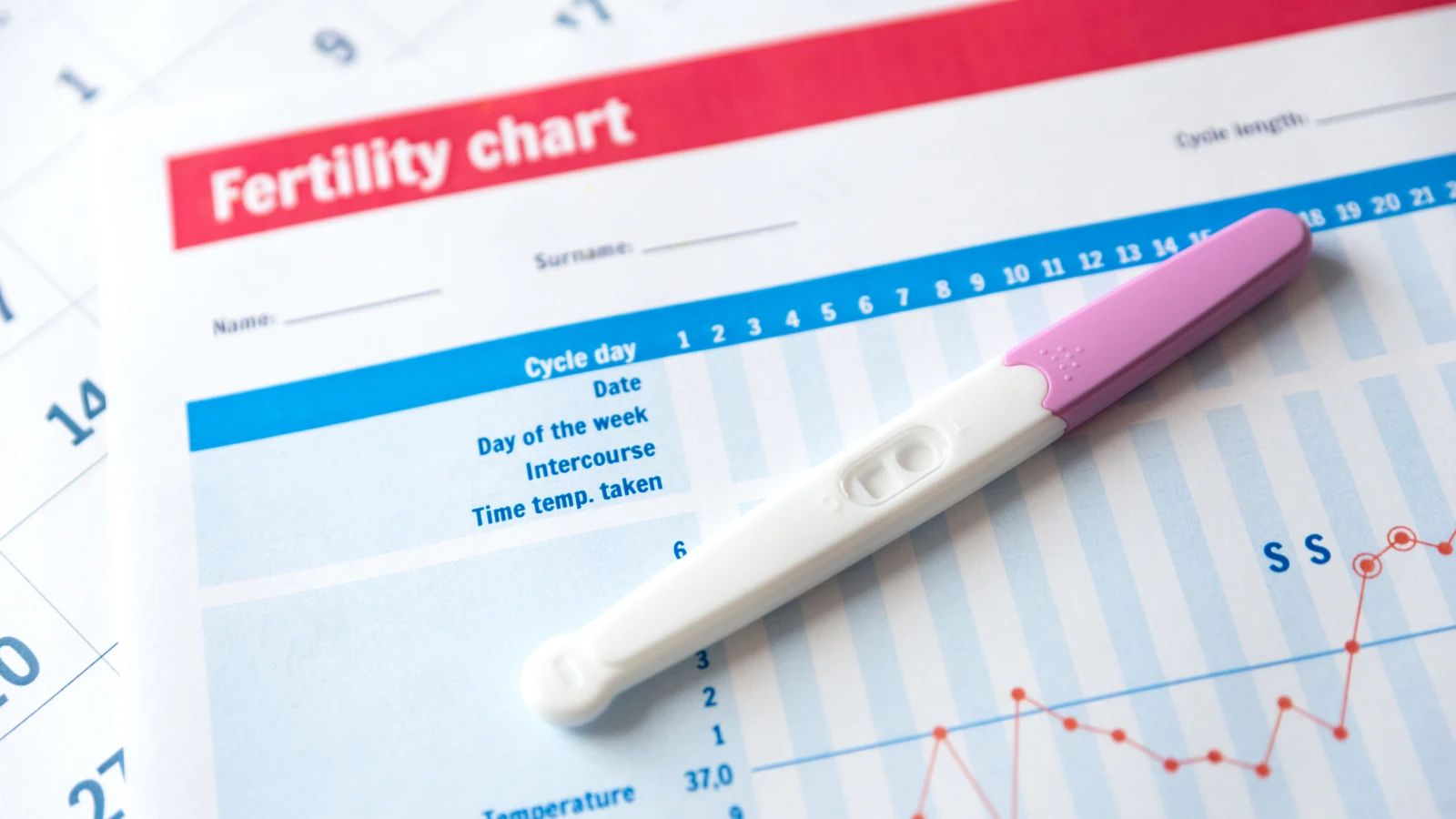
When it comes to fertility nutrition, food should always be the foundation, with supplements used to fill the gaps that diet alone can't cover. Here's what the research says about the nutrients that matter most, and the foods and habits that may be working against you.
As a general principle, food sources are always preferable to dietary supplements. Supplements are recommended when dietary intake is unable to meet requirements, or in specific cases where supplementation is evidence-based regardless of diet.
One key exception is folate. Supplementation is recommended in combination with dietary folate intake due to the well-established link between low folate levels and neural tube defects in early pregnancy, particularly in the first trimester.
The standard recommendation is 400–500 mcg of folate daily, starting before conception and continuing through the first trimester. However, the right dose is not the same for everyone.
Higher doses may be needed for women with:
Dietary sources of folate include leafy greens, legumes, eggs, and fortified foods. A specialist dietitian can review your individual situation and recommend the right dose.
Omega-3s are a standout nutrient for both male and female fertility. The best food sources include oily fish (salmon, sardines, mackerel, herring), walnuts, chia seeds, and flaxseed.
For male fertility, omega-3s are abundant in the sperm cell membrane and their levels increase as sperm matures. For women, a diet rich in omega-3 fatty acids has been shown to prolong reproductive function into advanced maternal age, and higher omega-3 intake is associated with better implantation rates in those undergoing assisted reproductive treatment.
Alcohol consumption has been consistently shown to decrease fertility, though the exact level at which harm occurs remains unclear. Current theories include its effect on follicle development and ovulation (by raising oestrogen levels), as well as direct impacts on egg maturation, ovulation, blastocyte development, and implantation. The safest approach is to avoid alcohol entirely when trying to conceive.
Limiting trans and saturated fat intake is particularly important for male fertility. Systematic reviews have consistently demonstrated a negative association between trans and/or saturated fat intake and total sperm count, concentration, and motility. Trans fats are found in fried foods, commercial baked goods, and some margarines.
Ultra-processed foods are low in the nutrients that support fertility (antioxidants, folate, omega-3s) and high in trans fats, refined sugars, and additives. Reducing your intake and replacing these with whole, minimally processed foods is one of the most impactful changes you can make.
Fertility nutrition is a specialised area that requires clinical judgement and expertise. The right plan for you will depend on your individual health history, test results, and the cause of any fertility challenges. Book a consultation to get personalised advice.
Telehealth consultations available across Queensland. No referral required.
Book a Virtual Consultation